Who has the most power and influence to prevent climate change? In this blog I argue that systemic change is required to reduce our global human climate impact.
Introduction
The United Nations, individual governments, multi-national companies, local government, communities, voluntary groups and individuals all have a role in reducing our carbon emissions. In this blog I will outline the role they can play and the limitations that they work within. I will then explore the concept of system or systemic change in relation to some of the actions required to reduce climate change – our consumption habits, electric vehicles, heating our homes and flying.
SECTION ONE - ROLES
Governments
Governments set policy direction, levy taxes, build infrastructure, and regulate business activity and consumers. In theory they are the key player, but they have conflicting demands to juggle and are generally risk averse. The reality is that the environment is not the principal factor on voters’ minds and therefore it is not surprising that government inaction constantly disappoints environmentalists. Meanwhile the United Nations climate negotiations rumble on, but they tend to settle on the lowest common denominator as they require consensus across myriad governments each facing different priorities and pressures.
Businesses
Businesses can choose to become more resource efficient and can determine what services and products they offer to consumers. As such they have a significant role, but they need to keep their shareholders/ investors on board and provide products that the public want to buy. Most consumers are price conscious and will not pay much more for environmentally friendly products. Also businesses are often under pressure to make short-term investment decisions whilst many environmental investments have a long-term payback.
Community Groups and Individuals
Individuals choose how to live their lives (usually within constraints) and can decide what products and services they choose to buy. Community and voluntary groups can make a significant difference, but usually at a local level and within wider societal constraints. Individuals can make significant climate related decisions, but the supporting infrastructure may not be in place, some choices may be more expensive, they may have to overcome societal norms, and in some cases may require a degree of self-sacrifice which the majority are not willing to make.
Systemic Change
The oil (also tobacco) companies are fond of saying that they only produce products that consumers want to buy and of course this is true to a certain extent. They are happy to promote consumer choice then, for example, proposing hydrogen as a panacea for low carbon heating or falsely suggest that manufacturing large batteries mean that EVs don’t significantly reduce overall emissions. This is a deliberate strategy to create uncertainty, doubt and delay amongst decision makers and the public. And of course the media love the idea that there is disagreement. These campaigns can successfully reinforce consumers in-built preference to buy what they are familiar and comfortable with.
So, systemic change is required. Ideally change should be a positive choice where millions of consumers choose environmentally friendly products and services because they are the default choice and are better quality and affordable. This can be a more consensual method of change rather than compulsion or using guilt psychology to encourage you to change. These choices can be made easier if the correct infrastructure and economics are in place to support and facilitate the roll out of better products and services.
SECTION TWO - EXAMPLES
Consumption and Waste
Deposit return schemes reduce litter, provide better segregated material for recycling, reduce environmental impact, and can be fun for consumers to operate (getting money or tokens back). They have operated successfully in parts of Europe for years. For example Norway, Germany, Latvia and Lithuania achieve over 90% recycling for bottles and cans.
You might think that deposit return schemes aren’t needed because you recycle all your bottles and cans. But despite good infrastructure in the UK only 70-75% are recycled and we can all see the resulting litter along road verges and beaches.
No company can introduce a successful deposit return scheme on their own. It requires system change, cooperation and economies of scale. This must be introduced by governments, in consultation with manufacturers, retailers and consumers. Regulation creates a ‘level playing field’ across all businesses so none are discriminated against. Consumers will notice that these products are more expensive but there is little long-term impact because the deposit will be returned.
Electric Vehicles (EVs)
For decades buying a petrol or diesel car has been the default choice, so we need to overcome tradition and inertia if we want a mass change to EVs.
The main arguments against EVs are the high purchase cost, range anxiety/ charging network and the running costs if you don’t have space for a home charger.
Fortunately, there are many benefits for individuals and society from EVs including quieter streets, vastly improved air quality, smoother acceleration, no fuel spills and fewer mechanical breakdowns. If you are a city-centre cyclist you will immediately notice the benefit if you are waiting at traffic lights behind an electric vehicle rather than breathing in the exhaust from a petrol or diesel engine.
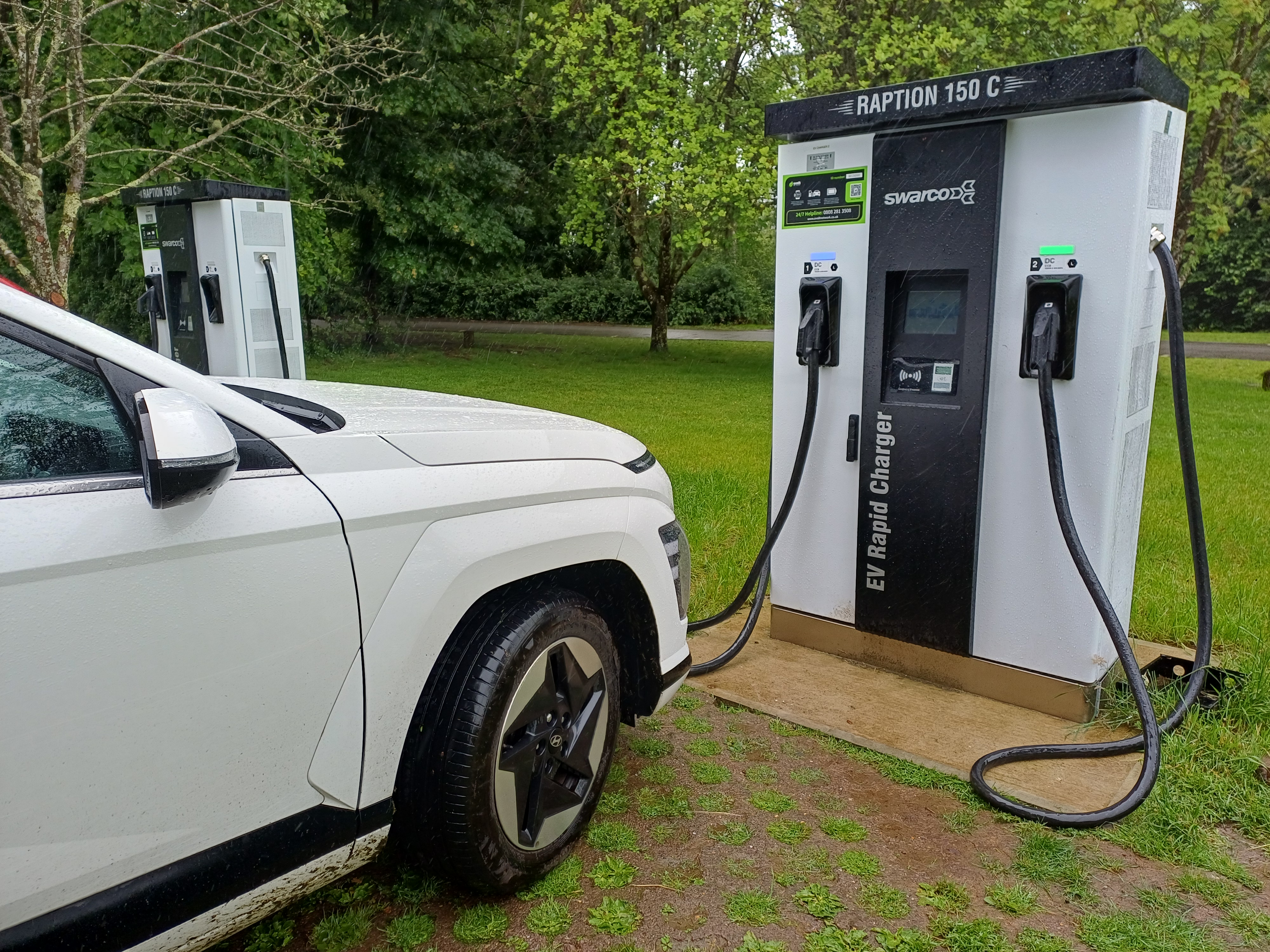
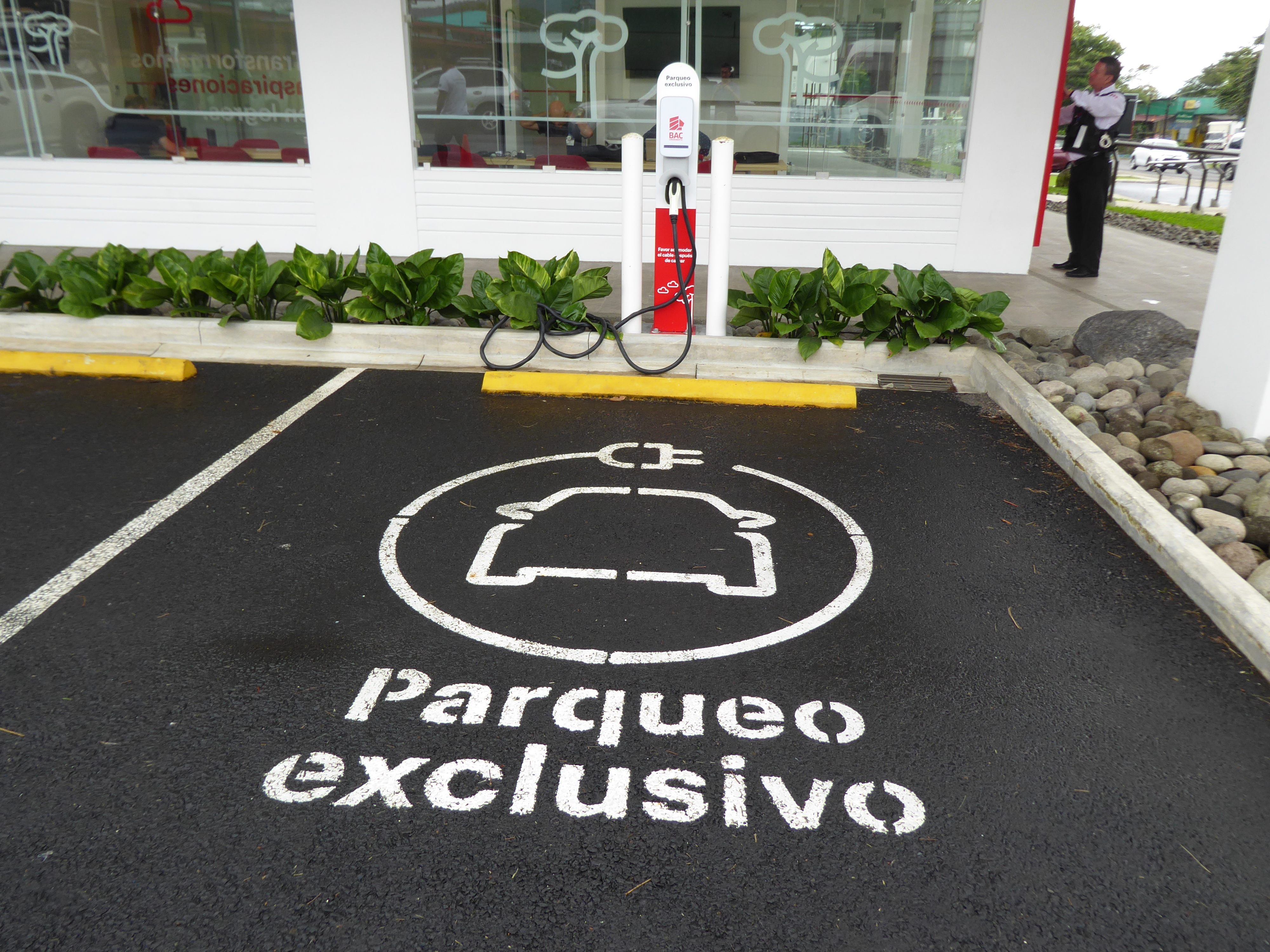
I am confident that EVs will prevail, however the change is too slow for our climate and air quality. Fortunately the government (supported by market forces) is creating the conditions for a systemic change. The public sector has invested in providing a charging infrastructure network. There are now 87,000 public chargers in the UK. For those without a driveway £25m has been allocated to install pavement chargers. The £3,750 electric car grant provides a discount on the cost of certain new EVs, and company car drivers receive generous tax benefits which will trickle down to the second-hand car market in time. In addition, manufacturers have an increasing quota of EVs to sell each year which is putting downward pressure on the cost of new EVs.
Of course, there are mixed messages. EV drivers now have to pay car tax and the government has proposed to introduce a new pay per mile levy for electric cars to make up for the loss of fuel duty. Despite this I am confident that the UK is on track to follow Norway to a near 100% EV future.
Heating
At home I have moved from gas to an all-electric heat pump. I have published blogs, delivered talks and even invited people into my home to see how it operates. However, most people in the UK are content with their existing heating, predominately natural gas. Despite my best efforts and generous government grants most of my neighbours and friends, even those who are climate aware, have not made this change. At this rate it will take hundreds of years for every UK household to shift to low carbon heating systems.
Individual actions and government grants are not going to transform our heating systems. The system is rigged against change. Electricity is too expensive for complicated reasons including high taxes. Installing individual heat pumps is expensive partly because they are inherently more complex but also because they are being installed expensively one house at a time.
We need a systemic change so that a shift to a low carbon heating system is the default, perhaps the collective choice. We would then benefit from improved air quality in our homes and improved safety (gas explosions). Homes heated by heat pumps tend to be kept at a more constant and comfortable temperature, and if installed with better insulation are cheaper to run. Tackling ‘fuel poverty’ has huge benefits for people’s health and reduction in NHS treatment. Air-to-air heat pumps, and some district heating systems can also offer efficient air conditioning.
As a society our overall energy consumption will fall because heat pumps are three times more efficient than gas boilers. We will be able to rely on domestic electricity (mainly from renewables) rather than our ever-increasing gas imports from Norway and the Middle East. This will provide the UK with energy security and immunise us from future international energy price shocks.
A systemic, organised and planned change is needed where whole streets and neighbourhoods are offered the opportunity to change to a low carbon heating system together - like the way the gas network was installed. In cities this could be district heating with insulated pipes carrying hot water from a central energy plant to buildings. In suburbs and rural areas, it would be predominantly individual heat pumps. Where required the electricity grid can be upgraded in parallel in a planned and systematic manner.
Yes, this might be expensive to set up. But I can’t see any other credible way to wean us off burning natural gas. I don’t think we will ever look back and think “let’s bring an explosive gas into our homes to burn”.
Flying
Flying is always a difficult topic for an environmentalist, particularly one who enjoys travel, culture and exploring. The flight shame movement (flygskam) started in Sweden in 2017 popularised by Greta Thunberg. This led to a 4% drop in flights in Sweden in 2019. Unfortunately, flight numbers have now bounced back.
For a significant long-lasting impact systemic change is required. Aviation needs to be taxed to account for its environmental impact - at a high rate. Air Passenger Duty is one (very blunt) instrument for this in the absence of international taxes on kerosene. In the UK and EU a recent mandate requires airlines to use an increasing proportion of sustainable aviation fuel. Airlines also need to be incentivised to invest in the most fuel-efficient aircraft. However, this is all insufficient to substantially decrease overall emissions in the coming decades because the demand for flights continues to rise.
The New Economics Foundation has proposed a frequent flyer levy to tax regular flyers more heavily. On the face of it this seems appealing and fair as generally it is the wealthiest who travel more. Despite this I am not sure that voters will endorse it as it would be an easy target to criticise and could be seen as an ‘attack on growth and ambition’.
The systemic solution for flying is heavy taxes that are used to invest in innovation and to permanently bury underground an equivalent amount of carbon dioxide from each flight. Ideally, this would be agreed internationally.
Does guilt work?
It seems that ‘guilting’ people to change and give something up (flying or eating meat) or to spend more than they can easily afford has some effect, but this is limited and rather reluctant. In any case, only a minority of people will choose to change so the overall effect on emissions is limited. Systemic change is required if we are to reach the majority and significantly cut our total carbon emissions.
Conclusions
This is a complicated topic covering psychology, economics and politics. Regulations can be effective (think of levy on single use carrier bags and regulations on LED light bulbs) but trying to force people to buy products and services that are not clearly better is likely to be unpopular and divisive.
In an ideal world individual solutions should be a positive choice, aligned with our beliefs and aspirations. Our actions can then catalyse others. A good example is solar panels on a roof, where neighbours often copy each other because solar is seen to be aspirational. It is likely that this will happen with EVs, but it is a slow progress so system change is required to accelerate this change.
This is not to say that individual and community led action is not worthwhile. Individuals can trailblaze solutions and show a good example and can lobby businesses and politicians to make systemic changes. Meanwhile community groups have an important role to improve the quality of life at a local level.
If you like this blog, please share it with your friends and on social media.
Stay Connected and Discover More
Join my mailing list to get first sight of all my new blogs. Email This email address is being protected from spambots. You need JavaScript enabled to view it. with the header “please subscribe”.
Connect on social media: LinkedIn, X, Facebook, Instagram, Bluesky
You might also enjoy my book Carbon Choices, on the common-sense solutions to our climate and nature crises. Available from Amazon or order a signed copy. I am donating one third of profits to rewilding projects.